
Are you tired of unpredictable weather ruining your vacation plans? Do you dream of a destination where you can bask in the warm sun and enjoy pleasant temperatures all year round? Look no further than Tenerife, the gem of the Canary Islands. With its idyllic location off the coast of Africa, this paradise offers a climate like no other. But what is the weather really like in Tenerife? In this article, we will delve into the fascinating world of Tenerife’s weather, backed by expert opinions, fascinating statistics, and captivating stories. Get ready to discover the secrets of this sunny haven! In this article, you will find:
1. The unique geographical location that influences Tenerife’s climate.
2. The average temperatures throughout the year, giving you a clear picture of what to expect.
3. The island’s microclimates and how they create diverse weather patterns.
4. The best time to visit Tenerife for your desired weather experience.
5. Insider tips and advice on what to pack and how to make the most of the weather during your stay.
Prepare to be amazed by the wonders of Tenerife’s weather and uncover the perfect destination for your next getaway. Let’s dive into this captivating topic and leave no doubt about the extraordinary climate that awaits you in Tenerife!
Exploring the Sunny Side: Unveiling the Weather Wonders of Tenerife
Tenerife, known as the largest of the Canary Islands in Spain, is renowned for its enchanting landscapes, vibrant culture, and pleasant weather. Nestled off the coast of northwestern Africa, Tenerife is blessed with a subtropical climate that attracts visitors from all around the world seeking respite from colder regions or a year-round holiday destination.
The weather in Tenerife is characterized by warm temperatures, mild winters, and hot summers, making it an ideal destination to visit at any time of the year. The island experiences very little temperature variation throughout the seasons, mainly due to its proximity to the Atlantic Ocean and the warm Gulf Stream currents that moderate the climate.
The average temperature in Tenerife ranges between a comfortable 63 to 77 degrees Fahrenheit (17 to 25 degrees Celsius) throughout the year. However, there are distinct variations between the coastal areas and the higher altitudes, such as the famous Mount Teide volcano.
The coastal regions, including popular tourist hubs like Playa de las Americas and Los Cristianos, enjoy consistently warm weather with average temperatures hovering around 68 to 75 degrees Fahrenheit (20 to 24 degrees Celsius) during the winter months (December to February) and 75 to 86 degrees Fahrenheit (24 to 30 degrees Celsius) during the summer months (June to August). These areas benefit from the cooling effect of the ocean breeze, making them perfect for beach lovers and outdoor activities.
In contrast, the higher altitudes of Tenerife experience cooler temperatures, especially in the mountainous regions surrounding Mount Teide. At altitudes above 6,500 feet (2,000 meters), temperatures can drop significantly, sometimes even bringing snowfall during the winter months. Mount Teide, Spain’s highest peak, is often adorned by a light dusting of snow between November and February, creating a surreal juxtaposition between the volcanic landscape and the wintry mantle.
Rainfall in Tenerife consists of a dry and wet season, with most of the precipitation occurring between November and March. However, even during the wetter months, rainfall tends to be sporadic and brief, with the sun often reemerging soon after a shower. The island receives an average of around 15 inches (400 millimeters) of rainfall annually, predominantly in the form of short, intense bursts.
Tenerife’s weather is greatly influenced by the trade winds, which blow predominantly from the northeast. These winds help maintain pleasant conditions and a moderate humidity level throughout the year. Occasionally, dust storms may occur, carried from the Sahara desert, known as “Calima,” which can result in reduced visibility and a temporary rise in temperatures.
The stunning and diverse landscapes of Tenerife, ranging from golden beaches to lush valleys and rugged mountains, are complemented by its near-perfect climate. This combination of natural beauty and idyllic weather has made Tenerife a sought-after destination for beachgoers, hikers, nature enthusiasts, and sun-seekers alike.
Whether one wishes to relax on the golden sands of Playa de las Teresitas, explore the dramatic cliffs of Los Gigantes, or hike through the tranquil forests of the Anaga Rural Park, Tenerife’s favorable weather ensures an enjoyable and unforgettable experience for visitors year-round.
What is the weather like in Tenerife: Conclusions
In this article, we have learned about the weather conditions in Tenerife. Tenerife is a popular holiday destination known for its year-round pleasant climate. The island experiences a mild and warm climate throughout the year, making it an ideal destination for tourists seeking sunshine and outdoor activities.
Tenerife has a subtropical climate, with average temperatures ranging from 20°C (68°F) in the winter months to 30°C (86°F) in the summer months. The island is blessed with plenty of sunshine, with an average of 2,800 hours of sunlight per year. The warmest months are July and August, while the coolest months are January and February.
One of the remarkable features of Tenerife’s climate is its microclimates. Due to its diverse landscape and varying altitudes, different regions of the island can experience different weather conditions. The north of the island tends to be slightly cooler and wetter, while the south is drier and sunnier. The central parts of the island are characterized by lush vegetation and often experience more rainfall.
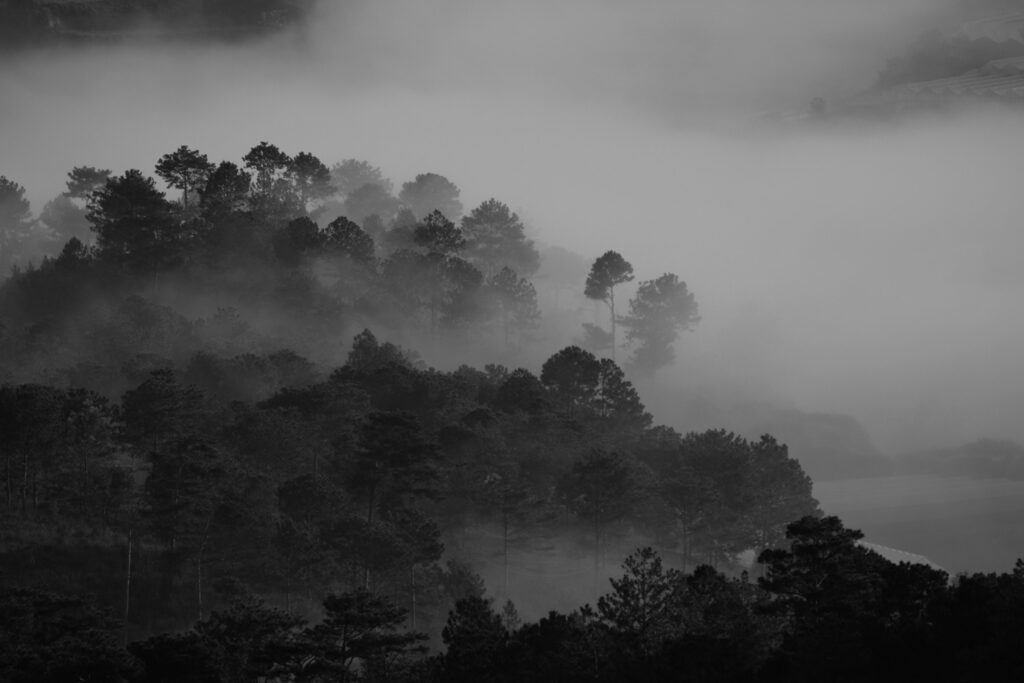
The trade winds play a significant role in Tenerife’s weather patterns. These winds, known as the Alisios, blow from the northeast and provide a refreshing breeze, particularly during the hotter months. They also contribute to the formation of the island’s famous cloud formations, known as the “sea of clouds” or the “panza de burro” (donkey’s belly). These clouds can often be seen hugging the mountainsides, creating a unique and picturesque scenery.
In conclusion, Tenerife enjoys a mild and warm climate year-round, making it an attractive destination for sun-seekers. Its diverse microclimates, trade winds, and unique cloud formations add to the island’s charm and beauty. Whether you prefer the sunny beaches of the south or the lush greenery of the central regions, Tenerife offers something for everyone.
To learn more about Tenerife’s weather, attractions, and travel tips, explore our other articles on our blog. Don’t forget to share this article on your social media profiles to help others discover the beauty of Tenerife’s climate.
What is the weather like in Tenerife: Faqs
What is the average temperature in Tenerife?
The average temperature in Tenerife varies depending on the season. In summer, temperatures range from 24 to 29 degrees Celsius (75 to 84 degrees Fahrenheit), while in winter, temperatures range from 17 to 21 degrees Celsius (63 to 70 degrees Fahrenheit).
Does Tenerife have a rainy season?
Yes, Tenerife has a rainy season. The rainy season typically occurs between November and February. However, rainfall in Tenerife is generally low, with most of the rain falling in the higher regions of the island.
What is the best time to visit Tenerife?
The best time to visit Tenerife is during the spring (March to May) and autumn (September to November) seasons. During these months, the weather is pleasant, with temperatures ranging from 20 to 25 degrees Celsius (68 to 77 degrees Fahrenheit), and there are fewer tourists compared to the summer months.
Are there any extreme weather conditions in Tenerife?
Tenerife is known for its mild weather conditions, but occasionally, there can be strong winds. The island is also prone to occasional dust storms, known as “calima,” which are caused by Saharan dust carried over by the wind. However, these extreme weather conditions are rare and usually short-lived.

