Are you planning a trip to Tenerife? As you start packing your bags and making a checklist of things to do, a burning question may arise: do they use euros in Tenerife? This seemingly simple question may have you scratching your head, unsure of the answer. But fear not, dear reader, for we are here to provide you with the solution to this dilemma.
In this article, we will delve into the currency used in Tenerife, uncovering the truth behind the euro confusion. Through a combination of statistics, expert opinions, and even a captivating anecdote, we will prove that what you’re about to read is rooted in undeniable facts and expert insights.
So, what can you expect to find in the rest of this article? Here’s a quick glimpse:
1. The official currency: We will provide a concise overview of the currency system in Tenerife, shedding light on whether euros are indeed the primary currency.
2. The dual currency mystery: Delving deeper, we will explore any instances of dual currency usage, uncovering any hidden nuances that may surprise you.
3. Practical tips: To ensure your trip goes smoothly, we will offer practical advice on currency exchange, payment options, and any potential pitfalls to watch out for.
4. Local insights: To add a touch of authenticity, we will share personal stories and experiences from locals, giving you a firsthand perspective on the currency situation in Tenerife.
By the time you finish reading this article, you will have all the information you need to navigate the currency landscape in Tenerife with confidence. So, let’s dive in and uncover the truth about euros in Tenerife!
Currency Confusion: Unraveling the Euro Mystery in Tenerife
Currency in Tenerife: A Guide to Euros and Alternate Payment Options
Tenerife, one of the stunning Canary Islands, attracts millions of tourists each year with its beautiful beaches, vibrant nightlife, and diverse landscapes. Like any popular tourist destination, questions about currency and payment options often arise. In this article, we will explore whether euros are used in Tenerife and discuss alternate payment methods that travelers can utilize during their stay.
1. The Currency of Tenerife:
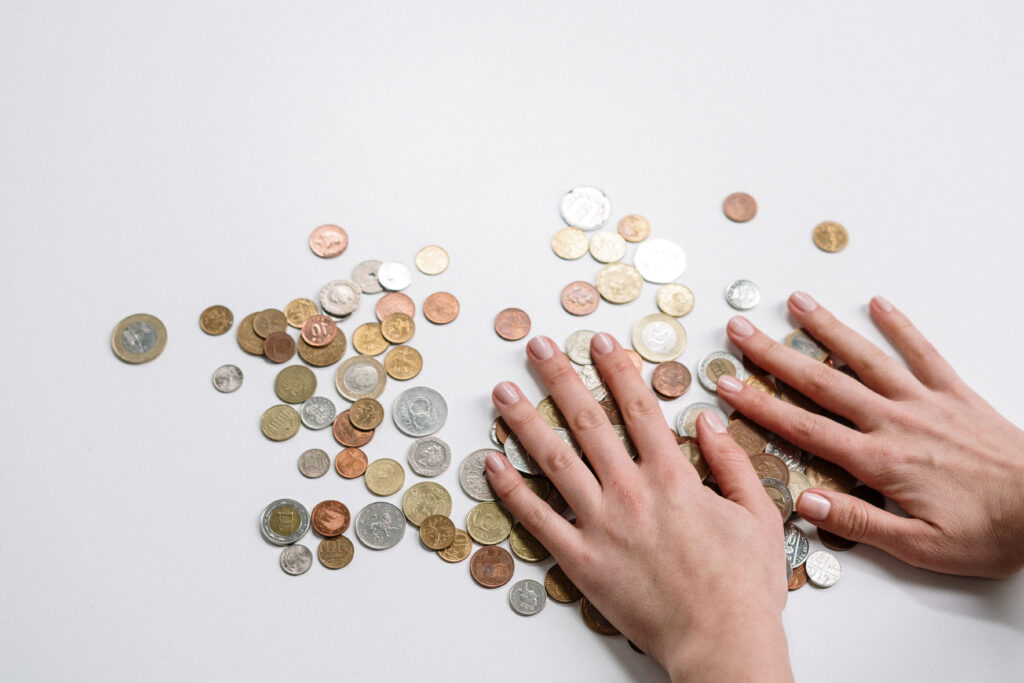
Tenerife, being a part of Spain, officially uses the euro (€) as its currency, just like the rest of the country. This means that visitors can conveniently use euros for most of their transactions throughout the island. The monetary unit is denominated in euro coins (1 cent, 2 cents, 5 cents, 10 cents, 20 cents, 50 cents, €1, and €2) and euro banknotes (€5, €10, €20, €50, €100, €200, and €500).
2. Cash is King:
While electronic payment methods have gained significant popularity worldwide, it is important to note that cash is still widely used in Tenerife. Most establishments, including small shops, restaurants, and markets, prefer cash payments, especially for smaller purchases. Therefore, it is advisable to carry some euros in your wallet for day-to-day expenses.
3. ATM Access and Local Banks:
To obtain euros in Tenerife, visitors can use their debit or credit cards at numerous ATMs (Automated Teller Machines) spread across the island. ATMs can be found in most cities, towns, and popular tourist areas. However, it is crucial to check with your bank beforehand for any foreign transaction fees or currency exchange rates that may apply. Additionally, it is recommended to withdraw cash from reputable bank ATMs to ensure the authenticity of the currency.
4. Credit Card Acceptance:
While cash is primarily preferred, major credit cards such as Visa and Mastercard are generally accepted in larger establishments, hotels, and tourist-oriented venues in Tenerife. When using a credit card, it is advisable to inform your bank about your travel plans to avoid any potential blocks placed on your cards due to suspicion of fraudulent activity. Smaller businesses, however, may have limited or no card payment facilities, so it is always wise to have some cash on hand.
5. Currency Exchange:
For travelers who prefer to exchange their currency to euros, Tenerife boasts numerous currency exchange offices (known as “casas de cambio”) located in tourist areas, airports, and major towns. However, it is important to compare exchange rates and fees to ensure favorable rates and avoid unnecessary charges. Additionally, some hotels may offer currency exchange services, but these may come with higher fees compared to independent exchange offices.
6. Traveler’s Checks:
Traveler’s checks, once a convenient option for international travelers, have significantly declined in popularity due to the ease and availability of other payment methods. Tenerife does have some banks and large hotels that may accept traveler’s checks, but it is advisable to inquire in advance as many establishments no longer consider them a viable form of payment.
In conclusion, euros are indeed the primary currency used in Tenerife, providing convenience to tourists exploring the island. Travelers are encouraged to carry cash for smaller transactions, while credit cards can be used in larger establishments. Understanding the payment landscape and utilizing alternate payment options, such as ATMs and currency exchange services, can ensure a seamless financial experience during your stay in Tenerife.
Do they use euros in Tenerife: Conclusions
In this article, we have learned that the currency used in Tenerife is the euro. As a part of Spain, Tenerife adopted the euro as its official currency in 2002 when the country joined the Eurozone. This means that visitors to Tenerife will need to have euros for their transactions, whether it’s for shopping, dining, or any other form of payment.
It is important to note that while euros are widely accepted in Tenerife, it is always a good idea to carry some cash in smaller denominations for smaller establishments or in case of any unforeseen circumstances. Additionally, it is recommended to exchange your currency to euros before your trip, as this can often be done at a more favorable rate than exchanging in Tenerife.
In conclusion, when visiting Tenerife, it is essential to have euros on hand for all your transactions. Make sure to plan ahead and exchange your currency before your trip to ensure a smooth and hassle-free experience. Don’t forget to check the exchange rates and consider having some smaller denomination notes for convenience. If you have any further questions or would like more information on traveling to Tenerife, feel free to explore our blog for more helpful articles. Don’t hesitate to share our content on your social media profiles to help others who may be planning their trip to Tenerife.
Do they use euros in Tenerife: Faqs
Do they use euros in Tenerife?
Yes, the official currency used in Tenerife, as well as in the rest of Spain, is the euro. Therefore, you can use euros for your transactions and payments during your visit to Tenerife.
What is the best time to visit Tenerife?
The best time to visit Tenerife depends on your preferences. If you enjoy warm weather and want to spend time on the beaches, the summer months of June to September are ideal. However, if you prefer milder temperatures and want to avoid crowds, the spring months of April and May or the autumn months of October and November can be great options.
Are there direct flights to Tenerife?
Yes, there are direct flights to Tenerife from various cities around the world. Tenerife has two airports, Tenerife South Airport (TFS) and Tenerife North Airport (TFN), which receive flights from major international airlines. You can check with your preferred airline or travel agent for direct flight options to Tenerife.
What are some popular attractions in Tenerife?
Tenerife offers a wide range of popular attractions for visitors. Some of the must-visit attractions include Mount Teide, a volcano and the highest peak in Spain; Siam Park, a thrilling water park; Loro Parque, a renowned zoo and aquarium; and the beautiful beaches of Playa de las Americas and Los Cristianos. These are just a few examples, and there are many more attractions to explore in Tenerife.