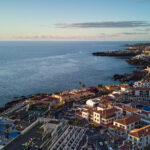
Have you ever wondered just how big the Tenerife island is? It’s easy to get lost in the allure of this stunning destination, but understanding its size is crucial for planning your visit. How can you truly grasp the magnitude of this island without knowing its dimensions? Fear not, dear reader, for we have the answer you seek.
Tenerife, a gem in the Canary Islands archipelago, stretches across an impressive expanse of land, captivating travelers with its breathtaking landscapes and diverse ecosystems. This volcanic island is a haven for adventurers and nature enthusiasts alike, but its size can leave even the most seasoned traveler in awe.
Now, let’s dive into the numbers, shall we? Tenerife covers approximately 785 square miles (2,034 square kilometers), making it the largest of the Canary Islands. To put that into perspective, imagine an area larger than the entire city of London or roughly the same size as the state of Rhode Island.
In this article, we will explore the vastness and beauty of Tenerife, delving into its unique features and iconic landmarks that make it a must-visit destination. From the majestic Mount Teide, Spain’s highest peak, to the stunning beaches and charming towns, we will guide you through the wonders that await you on this remarkable island.
Join us as we uncover the secrets of Tenerife’s size, delve into its fascinating history and geology, and discover the hidden gems that lie within its borders. Prepare to be enchanted by the awe-inspiring landscapes, vibrant culture, and unforgettable experiences that await you on this remarkable island.
In the following sections, you can expect to find:
1. Unveiling the Dimensions: Discover the exact size of Tenerife and understand how it compares to other notable locations.
2. Exploring the Landscapes: Dive into the diverse ecosystems and breathtaking landscapes that define Tenerife’s natural beauty.
3. Unearthing the History: Delve into the island’s rich history, from ancient aboriginal settlements to the influences of colonization.
4. Iconic Landmarks: Learn about Tenerife’s most famous landmarks, including the awe-inspiring Mount Teide and the picturesque towns that dot the island.
5. Hidden Gems: Uncover the lesser-known treasures of Tenerife, from secluded beaches to charming villages off the beaten path.
6. Practical Tips: Find essential information to help you plan your visit, including transportation options, accommodation recommendations, and the best time to explore this magnificent island.
So, get ready to embark on a journey of discovery as we unravel the mysteries of Tenerife’s size and unveil the wonders that await you on this captivating island. Let’s dive in!
Exploring the Vastness of Tenerife: How Many Miles Does the Island Span?
Tenerife, the largest of the Canary Islands, is located off the northwest coast of Africa. With a total land area of approximately 785 square miles (2,034 square kilometers), it is a diverse and breathtaking destination that offers a wide range of landscapes and natural wonders to explore.
Let’s delve into the specifics of Tenerife’s size and geography. The island stretches about 50 miles (80 kilometers) from north to south and approximately 25 miles (40 kilometers) from east to west. It is shaped like an irregular triangle, with the northern and southern coasts being more rugged and hilly, while the central part is dominated by a massive volcano, Mount Teide.
At 12,198 feet (3,718 meters) above sea level, Mount Teide is the highest peak in Spain and one of the most iconic features of Tenerife. The volcano is an active stratovolcano, but its last eruption occurred in 1909. Today, it is a popular destination for hikers and nature enthusiasts who can explore its unique lunar-like landscapes and witness breathtaking panoramic views from its summit.
Tenerife’s coastline is renowned for its striking contrasts. The northern part of the island is characterized by steep cliffs and deep ravines, while the southern coast boasts beautiful golden sandy beaches and turquoise waters. Popular coastal towns like Los Cristianos, Playa de las Americas, and Costa Adeje attract millions of tourists each year, providing an array of leisure activities and vibrant nightlife.
Apart from its stunning coastal beauty, Tenerife’s interior offers captivating natural landscapes and diverse ecosystems. The Anaga Rural Park, located in the northeastern part of the island, is a UNESCO Biosphere Reserve known for its ancient laurel forests, deep valleys, and rugged peaks. This area provides excellent opportunities for hiking, birdwatching, and immersing oneself in nature.
In addition to its natural wonders, Tenerife is also home to charming towns and villages that reflect the island’s rich history and cultural heritage. The capital city, Santa Cruz de Tenerife, boasts a mix of modern architecture and historic buildings, with highlights such as the Auditorio de Tenerife, a striking concert hall designed by renowned architect Santiago Calatrava. In the town of La Orotava, visitors can wander through its cobbled streets, admire traditional Canarian houses, and visit exquisite gardens.
Tenerife’s size and diverse landscapes make it an ideal destination for outdoor enthusiasts, offering a variety of activities such as hiking, cycling, surfing, and whale watching. The island’s distinct microclimates provide a range of weather conditions throughout the year, with the southern coast being warmer and sunnier, while the northern part experiences more rainfall and milder temperatures.
Tourism plays a significant role in Tenerife’s economy, with visitors attracted to its natural beauty, pleasant climate, and cultural attractions. The island’s excellent infrastructure, including an international airport, modern hotels, and a well-developed transportation network, make it easily accessible for travelers from around the world.
Whether exploring its stunning coastline, hiking through volcanic landscapes, or immersing oneself in its vibrant culture, Tenerife offers a unique and unforgettable experience for all who visit. Its remarkable size, diverse geography, and natural wonders continue to captivate travelers, making it one of the most popular holiday destinations in Spain.
How big is the Tenerife island in miles: Conclusions
In this article, we have learned that the Tenerife island spans approximately 785 square miles, making it the largest of the seven Canary Islands. Its diverse landscape is a result of its volcanic origins, with the towering Mount Teide being the highest peak in Spain. The island is known for its stunning beaches, vibrant cities, and unique natural beauty.
One of the main attractions of Tenerife is the Teide National Park, a UNESCO World Heritage site. This park offers visitors the opportunity to explore the volcanic landscape and marvel at the impressive rock formations. Additionally, the island boasts a mild climate throughout the year, making it a popular destination for tourists seeking sun, sea, and outdoor activities.
Aside from its natural wonders, Tenerife also offers a rich cultural experience. The island is home to several historical sites, such as the Santa Cruz de Tenerife, a city with a charming old town and beautiful architecture. Visitors can immerse themselves in the local culture by indulging in traditional cuisine, attending colorful festivals, and exploring the vibrant nightlife.
In conclusion, Tenerife is a captivating island that offers a wide range of attractions for all types of travelers. Whether you are seeking relaxation on the beach, adventure in nature, or a cultural experience, Tenerife has something for everyone. Its vast size and diverse landscape make it a destination worth exploring.
If you found this article informative, we invite you to check out our other articles on travel destinations and tips. Don’t forget to share this article on your social media profiles to inspire others to discover the wonders of Tenerife.
How big is the Tenerife island in miles: Faqs
How big is the Tenerife island in miles?
Tenerife island has a total area of approximately 785 square miles.
What are the main attractions in Tenerife?
Tenerife offers a wide range of attractions, including the stunning Mount Teide, beautiful beaches like Playa de las Americas and Playa del Duque, the vibrant capital city of Santa Cruz de Tenerife, and the unique Siam Park water park.
What is the best time to visit Tenerife?
The best time to visit Tenerife is during the months of April to October, when the weather is warm and sunny. However, Tenerife has a mild climate throughout the year, making it a great destination to visit at any time.
How do I get to Tenerife from the mainland of Spain?
You can reach Tenerife from the mainland of Spain by taking a flight. There are several airlines that offer regular flights from major cities in Spain to Tenerife. The flight duration varies depending on the departure city, but it typically takes around 2 to 3 hours.