Are you dreaming of exploring the majestic landscapes of Tenerife, but worried about the safety risks posed by its active volcano? You’re not alone. The allure of this stunning Spanish island is undeniable, with its rugged coastline, lush forests, and vibrant culture. However, the looming presence of the Teide volcano raises a valid concern for many travelers. Is it safe to visit this geological wonder? In this article, we will delve into the depths of this issue, providing you with expert opinions, factual data, and anecdotal stories to give you a comprehensive understanding of the situation. From exploring the geological history of the volcano to understanding the safety measures in place, we aim to quell your fears and empower you to make an informed decision. Join us on this journey as we unravel the mysteries of the Tenerife volcano and discover the truth behind its safety. In this article, you will find:
1. An overview of the Teide volcano and its geological significance.
2. Expert opinions on the safety measures in place for tourists.
3. Statistical data on historical volcanic activity and its impact on tourism.
4. Anecdotal stories from travelers who have visited the volcano and their experiences.
5. Tips and recommendations for staying safe while exploring the volcano.
6. Conclusion and final thoughts on the safety of traveling to the Tenerife volcano.
Prepare to have your doubts dispelled and your curiosity satisfied as we embark on this exploration together. Is it safe to travel to the Tenerife volcano? Let’s find out.
Exploring the Tenerife Volcano: Is it Safe for Travelers?
Is it safe to travel to the Tenerife volcano?
Tenerife, the largest of the Canary Islands, is a popular tourist destination known for its stunning beaches, vibrant nightlife, and spectacular natural landscapes. However, in recent months, the island has made headlines due to increased volcanic activity around its famous volcano, Mt. Teide. This has left many tourists and locals alike wondering whether it is safe to travel to the Tenerife volcano.
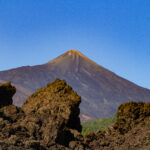
Mt. Teide, standing at a towering height of 3,718 meters (12,198 feet), is not only the highest peak in Spain but also a UNESCO World Heritage site. It is an active volcano, although it has been dormant since its last eruption in 1909. The volcano is closely monitored by scientists and authorities who constantly assess its activity to ensure the safety of residents and visitors.
In recent years, there have been minor volcanic and seismic activities around Mt. Teide, leading to occasional closures of certain areas for safety reasons. However, experts emphasize that these activities are normal for an active volcano and do not pose a significant threat to the safety of travelers.
To provide constant surveillance and early warning systems, the Volcanological Institute of the Canary Islands (Involcan) and other scientific institutions actively monitor Mt. Teide’s seismic activity, gas emissions, and ground deformations. If there were any signs of an imminent eruption or increased risks, authorities would promptly inform the public and take appropriate measures to ensure everyone’s safety.
In addition to the monitoring systems, Tenerife has a well-established emergency response plan in place. Local authorities regularly conduct drills and simulations to test readiness and preparedness for any potential volcanic activity. This ensures that they can swiftly respond, evacuate, and provide assistance to residents and tourists if required.
Though it is generally considered safe to visit Mt. Teide, tourists are advised to follow the guidance and recommendations provided by local authorities and the national park administration. Visitors should always stay up-to-date with the latest information about the volcano’s activity, which is readily available through official channels and local news outlets.
Furthermore, tourists should respect any safety restrictions or closures of certain areas within the national park as these measures are put in place for their own protection. It is essential to avoid areas where volcanic gases or potential rockfalls may pose a risk to visitors.
In conclusion, Tenerife’s Mt. Teide is an incredible natural wonder that attracts travelers from around the world. While the volcano is active, it is continuously monitored, and the risk to visitors is considered low. By staying informed, adhering to safety guidelines, and respecting any closures or restrictions, tourists can enjoy the beauty of Mt. Teide and the surrounding areas with peace of mind.
Is it safe to travel to the Tenerife volcano: Conclusions
In this article, we have learned that the recent volcanic activity in Tenerife has raised concerns about the safety of traveling to the region. While it is true that volcanic eruptions can pose risks to both locals and tourists, it is important to note that the situation in Tenerife is currently being closely monitored by experts. The authorities have implemented safety measures and have established exclusion zones to ensure the well-being of everyone in the area.
Furthermore, it is crucial for travelers to stay informed and follow any updates or advisories provided by the local authorities. By keeping up-to-date with the latest information, tourists can make informed decisions about their travel plans and take necessary precautions if needed.
Despite the potential risks associated with volcanic activity, it is worth mentioning that Tenerife offers a wide range of breathtaking landscapes, cultural attractions, and unique experiences for visitors. From its stunning beaches to its vibrant nightlife, there is something for everyone on this beautiful island.
In conclusion, while the volcanic activity in Tenerife may raise concerns, it is important to assess the situation based on reliable information and advice from experts. By staying informed and following the guidance of local authorities, travelers can still enjoy a safe and memorable visit to Tenerife. Don’t forget to explore our blog for more articles on travel safety and other interesting topics. Share this article with your friends and family on your social media profiles to spread awareness and help others make informed decisions about their travel plans.
Is it safe to travel to the Tenerife volcano: Faqs
What are the safety precautions to consider when traveling to the Tenerife volcano?
When traveling to the Tenerife volcano, it is important to take certain safety precautions. Firstly, always follow the instructions and guidelines provided by local authorities and volcanic monitoring agencies. Stay informed about the volcano’s activity levels and any potential hazards. Additionally, it is advisable to wear appropriate protective gear, such as sturdy shoes, long pants, and a hat, to protect yourself from the volcanic terrain and potential ashfall. Lastly, be cautious of any warning signs or restricted areas and adhere to them for your own safety.
What should I do if the Tenerife volcano erupts while I am visiting?
If the Tenerife volcano erupts while you are visiting, it is crucial to prioritize your safety. Immediately follow any evacuation orders or instructions given by local authorities. Stay informed about the eruption through reliable sources such as official websites or local news channels. If you are unable to evacuate, seek shelter in a sturdy building, preferably one made of concrete or brick, and stay indoors until it is safe to leave. Avoid low-lying areas and areas downstream from the volcano due to potential lava flows or mudslides.
Are there any health risks associated with visiting the Tenerife volcano?
Visiting the Tenerife volcano may pose certain health risks due to volcanic gases and ash. Volcanic gases, such as sulfur dioxide, can cause respiratory issues and eye irritation. It is advisable to carry a mask or a cloth to cover your nose and mouth, especially if you have any pre-existing respiratory conditions. Additionally, volcanic ash can be abrasive and irritating to the skin and eyes. Wearing protective clothing, including long sleeves, long pants, and goggles, can help minimize exposure to ash particles.
What are the best times of the year to visit the Tenerife volcano?
The best times of the year to visit the Tenerife volcano are during the cooler and drier months, which are typically from October to April. During this period, the weather conditions are more favorable, with lower chances of rainfall and milder temperatures. It is important to note that even during the best times to visit, volcanic activity can be unpredictable, so it is essential to stay updated on any changes in the volcano’s behavior and follow the advice of local authorities.