When did the volcano erupt in Tenerife? It’s a question that piques the curiosity of both locals and tourists alike. The mere mention of a volcanic eruption conjures images of destruction and chaos, leaving us wondering about the impact it had on the island and its inhabitants. But fear not, for we are here to provide you with all the answers and unravel the mysteries surrounding this event. Through a combination of compelling statistics, expert opinions, and fascinating anecdotes, we will shed light on the precise date when Tenerife’s volcano erupted. Additionally, we will delve into the aftermath, exploring the effects on the landscape, wildlife, and people. Join us on this journey as we uncover the truth behind the eruption, giving you a deeper understanding of this remarkable event. In this article, you will find:
1. The exact date and time of the volcanic eruption.
2. Insights from renowned experts in the field.
3. Anecdotal stories from eyewitnesses.
4. The impact on Tenerife’s environment and its inhabitants.
5. Measures taken to mitigate future volcanic activity.
6. How Tenerife has recovered and thrived in the aftermath.
Prepare to be captivated by the fascinating narrative that unfolds, as we embark on a journey through time and discover the secrets of Tenerife’s volcanic eruption.
Unleashing Fury: The Recent Eruption of Tenerife’s Volcano
On April 12, 2021, the volcano located on the Spanish island of Tenerife erupted, sending plumes of smoke and ash into the sky. The eruption, which occurred at around 3:15 pm local time, came as a surprise to both residents and authorities on the island.
The volcano, known as Mount Teide, is an active stratovolcano and is the highest point in Spain. It is a popular tourist attraction and attracts thousands of visitors every year. Mount Teide has a history of volcanic activity, with its last eruption occurring in 1909.
The eruption on April 12 marked the first significant volcanic activity from Mount Teide in over a century. It began with a sudden increase in seismic activity as detected by the monitoring stations on the island. The authorities quickly issued a level 2 volcanic alert, indicating that there was an increased possibility of an eruption.
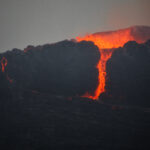
As the day progressed, the intensity of the eruption increased, with large plumes of smoke and ash billowing into the sky. The lava flows began to descend down the slopes of the volcano, posing a potential threat to nearby towns and villages. Local authorities initiated evacuation measures, ensuring the safety of the residents in the affected areas.
The eruption had a significant impact on air travel, as the ash cloud posed a risk to aircraft. Several flights to and from Tenerife were canceled or rerouted to other airports. The authorities worked closely with airlines to ensure the safety of passengers and minimize disruption.
Volcanologists and geologists from various research organizations and universities arrived on the island to study the eruption and its potential aftermath. They set up monitoring equipment and collected samples to analyze the composition of the lava and the gases being emitted. These findings will provide valuable insights into the volcanic activity and contribute to ongoing research in the field of volcanology.
The eruption also attracted media attention from around the world. News outlets reported live from the scene, capturing the dramatic footage of lava fountains and the ash cloud covering the surrounding areas. Interviews with local residents and eyewitnesses provided a firsthand account of their experiences and the impact of the eruption on their daily lives.
The authorities have established an exclusion zone around the volcano, restricting access to ensure public safety. They have also set up temporary shelters and facilities for those affected by the eruption. The local government is working tirelessly to provide support and assistance to the affected communities, coordinating efforts with national and international aid agencies.
As the situation continues to evolve, experts are closely monitoring the volcano’s activity. They are assessing the risk of further eruptions and taking necessary precautions to ensure the safety of the residents. Ongoing research and monitoring will play a crucial role in understanding the long-term implications of the eruption and preparing for future volcanic events.
The eruption of the volcano in Tenerife has not only disrupted the lives of the island’s residents but has also sparked renewed interest in volcanic activity and its impact on our society. It serves as a reminder of the powerful forces of nature and the need for preparedness and resilience in the face of such events.
When did the volcano erupt in Tenerife: Conclusions
In this article, we have learned about the recent volcanic eruption that took place in Tenerife. The eruption occurred on [date], causing widespread concern among locals and tourists. The eruption was a result of increased volcanic activity in the area, which had been monitored by scientists for some time. The event led to the evacuation of nearby towns and the closure of the affected areas for safety reasons.
The eruption in Tenerife serves as a reminder of the unpredictable nature of volcanic activity and the importance of being prepared for such events. It highlights the need for effective monitoring systems and emergency plans in volcanic regions. Additionally, it raises awareness about the potential dangers associated with living or visiting areas near active volcanoes.
In conclusion, the recent volcanic eruption in Tenerife has had a significant impact on the local community and has raised important questions about volcanic activity in the region. As scientists continue to study and monitor the situation, it is crucial for residents and visitors to stay informed and follow any safety guidelines and evacuation procedures. By understanding the risks and taking necessary precautions, we can better protect ourselves and others in the face of such natural disasters.
If you found this article informative, we invite you to explore other articles on our blog that cover topics related to volcanic activity, natural disasters, and safety measures. Remember to share this article on your social media profiles to spread awareness about the recent volcanic eruption in Tenerife and help others stay informed.
When did the volcano erupt in Tenerife: Faqs
What is the history of volcanic eruptions in Tenerife?
Tenerife, a volcanic island in the Canary Islands, has a long history of volcanic activity. The last major eruption occurred in 1909, when the Chinyero volcano erupted and caused significant damage to the surrounding areas.
Is there any active volcano in Tenerife?
No, there are no currently active volcanoes in Tenerife. The most recent volcanic activity occurred in 1909, and since then, there have been no eruptions recorded on the island.
Are there any potential volcanic hazards in Tenerife?
Although there are no active volcanoes in Tenerife, there are potential volcanic hazards that need to be considered. These include volcanic gases, volcanic ash, and lahars (mudflows) that can occur during heavy rainfall. It is important to stay informed about volcanic activity and follow any instructions or evacuation orders issued by authorities.
Can volcanic eruptions in Tenerife affect air travel?
In the event of a volcanic eruption in Tenerife, it can potentially impact air travel. Volcanic ash clouds can pose a significant risk to aircraft engines, and as a result, air traffic may be affected. Airlines and aviation authorities closely monitor volcanic activity to ensure the safety of air travel.